Where to Stay in Dubai in 2026: Best Areas for Every Type of Stay
The article explains how choosing where to stay in Dubai depends on your lifestyle, budget, and length of stay. Popular areas include Dubai Marina (vibrant city life), Downtown Dubai and Business Bay (central, professional), Jumeirah Village Circle (JVC), and Al Barsha (family-friendly, long-term).

The best place to stay in Dubai depends on why you are there. Dubai Marina and JLT suit remote workers, Downtown Dubai and Business Bay suit professionals near DIFC, and JVC and Al Barsha suit families. For a month or more, a furnished serviced apartment billed monthly gives better value than a hotel or nightly rental.
Dubai has always been a city of transformation, but by 2026, the real estate and rental landscape has shifted dramatically. While it remains a top global destination for tourists seeking glitz and glamour, it has solidified its position as a primary hub for global talent, remote workers, and families relocating for long term residency. This evolution in the city’s demographic and professional makeup means that the old methods of finding a home are being questioned.
The classic conundrum facing anyone moving here or staying for an extended period is simple: where to stay in Dubai? For years, the default for anything other than a traditional yearly lease was short term rental platforms. But as the city matures, the market has segmented. The needs of a weekend tourist are vastly different from the needs of a remote worker on a six-month visa or a professional relocating a family.
Today, choosing the right platform is just as crucial as choosing the right neighborhood. The choice isn’t necessarily about which platform is “better” overall, but which one is better for you. In this comprehensive guide, we’ll explore the best areas for each type of stay, how the definition of “accommodation” has changed, and how platforms are now specializing to meet distinct needs, specifically the growing demand for long term stays that require more than just a place to sleep.
Table of Contents
- Where to Stay in Dubai by Type of Stay
- How Staying in Dubai Has Changed in 2026
- What Type of Traveler Are You?
- Short Term vs. Long Term Stay: What’s the Difference?
- The Real Cost of Booking Platforms in Dubai
- Living vs. Visiting: What Daily Life Feels Like
- Best Areas to Stay in Dubai for Long Term Comfort
- Consistency vs. Flexibility: What Matters More?
- Who Should Use Each Platform?
- Choosing the Right Platform for Your Stay
- Frequently Asked Questions
Where to Stay in Dubai by Type of Stay
Use this as a shortlist, then read the area guides below.
How Staying in Dubai Has Changed in 2026
The year 2026 marks a turning point in Dubai’s accommodation market. The historical clear-cut distinction between a tourist in a hotel and a resident in a 12-month traditional lease has blurred, giving rise to a massive “in-between” sector. What drove this change?
1. The Proliferation of Flexible Visas
The widespread adoption and simplification of visas, such as the Golden Visa, the Green Visa, and specialized remote work visas, have attracted a new type of resident. These individuals aren’t just visiting for a week; they are looking for long term accommodation that doesn’t immediately lock them into a restrictive yearly contract with all the associated bureaucratic hurdles (cheques, DEWA setup, etc.). They need flexibility, but they also need a stable home base.
2. The Dominance of the Digital Nomad Economy
Dubai has successfully marketed itself as the ultimate playground and workspace for the remote workforce. But a digital nomad, whether they are a lone wolf or part of a small team, doesn’t want to live in a hotel room for six months. They want a “home,” not just a place to stay. They need a kitchen, a reliable workspace, and a neighborhood feel. This has created a skyrocketing demand for furnished apartments that cater to this specific lifestyle. Our Digital Nomad Dubai guide covers visas, costs and areas in detail.
3. Rising Hotel Costs for Extended Stays
With tourism continually strong, hotel rates have normalized at a higher level. While manageable for a 5-day holiday, paying nightly rates for a three-month business project is no longer economically viable for individuals or corporations. This has forced a reckoning on where to stay in Dubai for anyone whose calendar is measured in months, not days. See short term vs extended stay for a side-by-side comparison.
4. The Need for “Lifestyle-as-a-Service”
Travelers are no longer just looking for four walls and a roof. They are looking for a complete residential experience. This means reliable Wi-Fi, modern amenities, a sense of community, and proactive property management. The market has moved from simple property listings to managed residential experiences, particularly within the long term serviced apartments sector.
What Type of Traveler Are You?
Before you can decide where to live, you must understand how you plan to live. The frustration many experience when searching for a place to stay often stems from mismatching their personal lifestyle needs with a platform designed for a different purpose. Let’s segment the dominant traveler profiles in 2026.
The Remote Worker & Digital Nomad (1–6 Month Stays)
You value high-speed internet above all else. You need a dedicated workspace or a coffee shop close by. You are an expert at working from home (WFH). You likely want to be in an active area where you can socialize in the evenings but need a quiet, reliable environment during the day. Dubai Marina and JLT put cafes, gyms and co-working spaces within walking distance; see our guide to co-working spaces in Dubai.
The Relocating Professional
You have just landed a new role in the UAE. Your family might be joining you immediately or shortly after. You need a frictionless landing without worrying about Ejari registration or setting up utility bills in your first month. You need a base that allows you to settle in, explore neighborhoods, and determine whether to move into a traditional yearly lease later, or continue in a high-quality, flexible long term residential option that fits your needs indefinitely. Our relocation accommodation guide walks through the first 90 days.
The Business Traveler (Project-Based)
Your company has sent you to Dubai for a specific project, maybe three, six, or nine months. You need predictable costs that you can easily expense. You likely prioritize proximity to Business Bay or DIFC and want a standardized, hotel-like service with the space and comfort of an apartment. The right long term rental can save time, reduce stress, and ensure you have a functional home base during your assignment. For company bookings, see corporate housing in Dubai.
The Transitioning Family
Moving a family is complex. You are trying to find schools, perhaps shipping a car, and setting up a whole new life. In 2026, many families choose flexible family apartments for their first 3–6 months. This allows them to settle down immediately without the stress of securing a permanent home right away, giving them the breathing room to make smart long term decisions without pressure.
If you identify with any of these profiles, your accommodation needs have already outgrown a nightly-priced hotel. You aren’t looking for a “vacation rental”; you are looking for a base of operations.
Short Term vs. Long Term Stay: What’s the Difference?
The fundamental problem with the default search approach, using the same platform for a 3-night holiday as a 3-month relocation, is that these platforms were built with different mindsets. They cater to different types of inventory, different pricing structures, and different user expectations. This distinction is critical when deciding where to stay in Dubai for an extended period.
Short Term Rentals in Dubai (Airbnb): Best for Tourists and Short Stays
Short term rental platforms are built for flexibility. They excel at serving the weekend warrior, the week-long tourist, or the spontaneous traveler.
- Nightly Pricing: The entire model is based on the nightly rate. While this is great for a three-night stay, it becomes exponentially expensive when applied over 30 days.
- Tourist-Focused: The “experience” is about proximity to key attractions, flexible check-ins, and perhaps unique, design-led spaces. The “home” amenities are secondary to the location’s novelty.
- Highly Flexible, but Inconsistent: You can book instantly and cancel easily (depending on the host’s policy). However, the experience depends entirely on the individual host. Photos might not match reality, a critical appliance might be broken, or the Wi-Fi might be slow, a gamble you might be willing to take for a weekend, but not for a month of work.
Long Term Rentals in Dubai (estaie): Ideal for Remote Workers and Expats
Long term stays require a completely different operational philosophy. Platforms like estaie, which focus specifically on long term residential and serviced apartments for months at a time, prioritize stability over instant flexibility.
- Monthly Value: The model is optimized for 30, 60, 90+ days. Pricing reflects a monthly rate that is significantly more economical than the sum of 30 nightly rates on a short term platform.
- Lifestyle-Focused: The property itself is the destination. The priority is a fully-equipped kitchen, a spacious living area, functional workspaces, and proximity to grocery stores, gyms, and quiet community parks, rather than just tourist sites.
- Stable & Predictable: When a guest commits to a month or more, they require assurance that their environment is reliable. Platforms focused on this segment typically work with professional property managers or specialized providers who ensure a standardized level of quality, maintenance, and service.
So, when you are assessing where to stay in Dubai, if you plan to be there for more than a month, you must switch your search from platforms that treat you like a tourist to platforms that treat you like a resident.
The Real Cost of Booking Platforms in Dubai
The biggest source of frustration for people relocating to Dubai is price clarity. The price you see on the search results page is rarely the price you pay, and this is where short term platforms often lose their appeal for long term stays.
Airbnb Pricing in Dubai: Hidden Costs of Short Term Rentals
A nightly rate of AED 400 looks attractive, but a typical short term booking invoice for a month includes:
- Cleaning Fees: These are non-negotiable and apply to every stay. A platform optimized for short stays often assumes frequent turnover, leading to substantial cleaning costs.
- Service Charges: The platform’s fee is tacked on top of the nightly rate and can add a noticeable share to the total.
- Price Fluctuations & Seasonal Spikes: Since these platforms work on a nightly model, their prices are dynamic. If your 3-month stay crosses into peak season (e.g., November–January), the nightly rate for those months will rise, even if you booked your first month at a “deal.” This makes budgeting a long term stay unpredictable and expensive.
estaie Monthly Rentals in Dubai: Transparent Pricing for Long Term Stays
For longer stays, pricing predictability becomes far more important than daily flexibility. Platforms specializing in extended stay accommodation, like estaie, generally offer:
- All-Inclusive Pricing: The monthly rate usually covers maintenance, utilities, and a standardized level of service (e.g., weekly cleaning, but not daily). The goal is to give you a single, clear number for your budget.
- Locked-In Monthly Rates: When you book a 3-month stay, your price is generally fixed for that entire period, providing protection against sudden seasonal spikes. The platform is incentivized by the value of your extended commitment, not by dynamic daily demand.
- Lower Overall Service Fees: Because the bookings are for a longer duration and require less administrative turnover, the platform service charges are generally more absorbed or standardized within the monthly rate, rather than being an eye-watering percentage on top of your nightly rate.
If your primary focus is budget control and predictability, the dedicated long term platforms win every time. For a full monthly budget, see cost of living in Dubai.
Living vs. Visiting: What Daily Life Feels Like
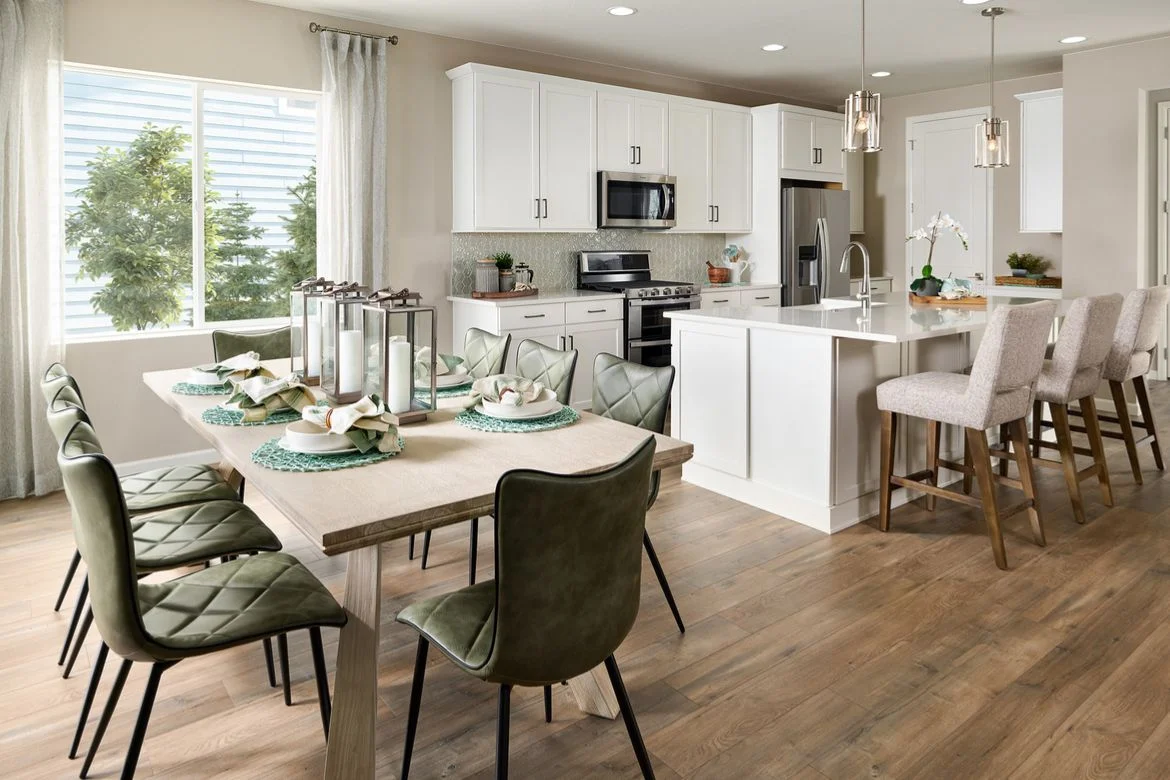
This is the emotional core of the decision. What does your day-to-day life actually feel like?
Living in Dubai with Airbnb: What to Expect from Short Term Rentals
Booking through a classic short term platform like Airbnb means you are essentially on an extended vacation. While this sounds appealing at first, for someone trying to build a routine, it has downsides:
- Temporary Living: You might find yourself living with only a few pots and pans, minimal closet space, and perhaps decor that feels “decorated for rental” rather than “built for comfort.” It’s hard to truly settle in.
- Grocery Shopping? Where?: If you are in a purely tourist-driven neighborhood, finding a proper large supermarket with residential prices might be a challenge. You will find yourself relying on convenience stores or dining out constantly, which adds to the cost of your long term stay.
- Host Dependency: If the boiler breaks or the Wi-Fi cuts out, your experience depends entirely on the speed of response from a single individual who may or may not be available. This is not the stability you need when you have important business calls.
Living in Dubai with estaie: A Real Long Term Residential Experience
A platform that curates serviced apartments and family apartments designed for long term residential living focuses on replicating the comforts of home:
- Routine and Comfort: These properties are designed for living. You will have a fully equipped kitchen (often with proper cooking appliances), functional furniture, and ample storage. You can establish a real routine.
- A “Real” Neighborhood: Platforms focused on longer stays typically list properties in established communities, placing you within walking distance of full-service supermarkets, pharmacies, dry cleaners, and everyday amenities. Communities like Jumeirah Village Circle (JVC) are especially popular for this lifestyle, with options such as Harrington House and Belgravia Tower offering a comfortable residential experience for long term stays.
- Proactive, Professional Management: For long term serviced apartments, you are usually interacting with professional management teams or standardized services. Maintenance issues are handled efficiently, and there’s a higher baseline of operational reliability.
When considering where to stay in Dubai, ask yourself: “Do I want to feel like a guest, or do I want to feel like I’ve come home?” For anyone staying more than a few weeks, the answer is almost always the latter.
Best Areas to Stay in Dubai for Long Term Comfort
Your choice of neighborhood is just as impactful as your choice of platform. When tourists look for a hotel, they often gravitate towards the busiest hubs. Residents, however, choose strategically based on work, lifestyle, and a sense of community.
Quick Comparison of the Best Areas to Stay in Dubai
Here’s a quick comparison of the most popular areas in Dubai:
Among these areas, Al Barsha stands out for its practicality and central location. Many travelers choose well-known options like Skylark Hotel Apartments in Al Barsha and Centro Barsha, which offer comfortable stays with easy access to transport, shopping, and daily essentials.
1. Dubai Marina
This area remains incredibly popular for good reason. It’s perfect for the “work-hard-play-hard” demographic. Dubai Marina is densely packed with high-rise towers, but it offers a bustling waterfront lifestyle.
- Pros: Incredible views, great dining, easy access to JBR beach, good transport links (tram/metro).
- Considerations: Can be traffic-heavy and noisy, especially on lower floors. Best for couples or singles rather than families looking for space.
2. Downtown Dubai & Business Bay
The “center of now.” Downtown is home to the Burj Khalifa and Dubai Mall. Business Bay is adjacent and is a major corporate hub. For those needing a central base, this is the definitive answer for where to stay in Dubai. Torn between the two most popular areas? Compare Dubai Marina and Downtown for a long stay.
- Pros: Central location, walkability around Downtown, incredible amenities, the definition of luxury living.
- Considerations: High cost, can feel very corporate or high-traffic.
3. Jumeirah Village Circle (JVC) & Jumeirah Lake Towers (JLT)
These are established residential areas that offer a more balanced, “real world” Dubai experience. They are top picks for furnished apartments that offer better value for money.
- Pros: JVC is family-friendly with community parks. JLT is vibrant with a younger, entrepreneurial feel, built around artificial lakes, and excellent metro access.
- Considerations: JVC requires a car; the transport links are limited. JLT can feel crowded in certain clusters.
4. Al Barsha & The Greens
These are “mature” residential areas. Al Barsha is known for its central location near the Mall of the Emirates and varied serviced apartments. The Greens is a dedicated Emaar community of low-rise buildings that is renowned for its greenery and pet-friendly environment.
- Pros: Very central with easy access to all parts of the city. Excellent schools nearby. Quiet and family-focused. Great options for long term accommodation.
- Considerations: The Greens can have high demand.
When you are looking for where to stay in Dubai for months at a time, you are looking for stability, not novelty. These areas offer the residential infrastructure required for a stable life. For rents and a deeper look at each area, see best neighborhoods in Dubai.
Consistency vs. Flexibility: What Matters More?
The core product on each platform is different, reflecting its purpose.
Airbnb in Dubai: Flexible Short Term Rentals with Variable Quality
Short term platforms pride themselves on diversity. You can stay in a minimalist studio one week and a quirky art loft the next. For a short trip, this variety is exciting. The inconsistency, the risk that the photos might not match reality, or the cleanliness might vary from host to host is a manageable risk for a few days. Many travelers on these platforms are "looking for an adventure."
estaie in Dubai: Reliable Long Term Accommodation with Consistent Standards
Platforms like estaie prioritize predictability. When considering where to stay in Dubai for the long term, these options aren’t designed to be quirky; they are designed to be consistently high-quality, fully functional, and well-maintained. The standard of cleanliness, the reliability of the internet, and the quality of the furniture are standardized because they know you aren't there for an adventure; you are there to live. If your stay is measured in months, certainty matters far more than surprise.
Who Should Use Each Platform?
The debate over where to stay in Dubai isn't a zero-sum game. Both types of platforms serve specific purposes exceptionally well. To make the best choice, it’s about aligning your needs with their strengths.
Who Should Choose Airbnb in Dubai?
- You are a tourist visiting Dubai for 1 to 2 weeks.
- You are a weekend traveler coming for a short holiday.
- Your trip is spontaneous, and you need to book instantly.
- Your primary goal is sightseeing, and you don't need extensive home amenities.
- You enjoy the novelty of a unique property and can manage operational inconsistencies.
Who Should Choose estaie in Dubai for Long Term Stays?
- Your stay is for 1 month or longer.
- You are relocating to Dubai and need short term rentals before finding a permanent home.
- You are a remote worker or digital nomad on a multi-month visa.
- You are a professional on a project-based long term accommodation assignment.
- You are moving a family and need the space and comfort of family apartments.
- Your priority is price clarity, consistency, and the comforts of home.
Choosing the Right Platform for Your Stay
The definition of where to stay in Dubai in 2026 is far from static. The key takeaway is this: different needs require different tools. Don't be constrained by the global search giants if your needs have evolved into something more substantial.
- If your stay in Dubai is measured in days, flexibility and proximity to tourist attractions matter most. Your best bet is to find a platform optimized for these short term needs.
- If your stay is measured in months, stability, consistency, monthly value, and the true feeling of home become paramount. This is where dedicated platforms specializing in long term stays and serviced apartments, like estaie, are designed to excel.
Before you make your booking, carefully evaluate your , your routine, and your budget for the entire duration. Choose the platform that will truly help you timeline to just visit Dubai, but live it.
FAQ
What are the main options for where to stay in Dubai for a few months?
For an extended stay (1–6 months), your primary choices are short term rentals through nightly platforms (expensive over time), long term serviced apartments (all-inclusive and consistent), or dedicated platforms that specialize in monthly furnished apartments. Short term platforms are best for quick bookings, while long term platforms like estaie offer better value and a stable residential experience.
How do costs compare between an extended Airbnb stay and a dedicated long term rental platform?
Dedicated long term platforms typically provide better price clarity. The initial price usually includes utilities, maintenance, and often standardized services. Monthly rates are also locked in, preventing seasonal spikes during your long term stay. Short term platforms often apply dynamic nightly pricing, along with non-negotiable cleaning and substantial service fees on top of the base rate, making them significantly more expensive for a month or longer.
Are furnished apartments widely available for monthly bookings in Dubai?
Yes, this is one of the fastest-growing sectors in Dubai real estate by 2026. The shift towards remote work and flexible visas has created high demand. While some are listed on general tourism platforms, the highest quality and most cost-effective furnished apartments are found on dedicated platforms that aggregate long term residential options from property managers and developers, ensuring consistent quality and all-inclusive pricing.
Can families find suitable accommodation in Dubai for a medium-term stay?
Absolutely. The search for where to stay in Dubai for families has become easier with a massive increase in family apartments optimized for long term residential living. These properties are typically located in mature communities like JVC or Al Barsha and offer a home-like environment with full kitchens and separate bedrooms, providing a better "landing" for relocating families than hotel rooms or traditional vacation rentals.Consistency vs. Flexibility: What Matters More?
The core product on each platform is different, reflecting its purpose.
Airbnb in Dubai: Flexible Short Term Rentals with Variable Quality
Short term platforms pride themselves on diversity. You can stay in a minimalist studio one week and a quirky art loft the next. For a short trip, this variety is exciting. The inconsistency, the risk that the photos might not match reality, or the cleanliness might vary from host to host, is a manageable risk for a few days. Many travelers on these platforms are “looking for an adventure.”
estaie in Dubai: Reliable Long Term Accommodation with Consistent Standards
Platforms like estaie prioritize predictability. These options aren’t designed to be quirky; they are designed to be consistently high-quality, fully functional, and well-maintained. The standard of cleanliness, the reliability of the internet, and the quality of the furniture are standardized because they know you aren’t there for an adventure; you are there to live. If your stay is measured in months, certainty matters far more than surprise.
Who Should Use Each Platform?
The debate over where to stay in Dubai isn’t a zero-sum game. Both types of platforms serve specific purposes exceptionally well. To make the best choice, it’s about aligning your needs with their strengths.
Who Should Choose Airbnb in Dubai?
- You are a tourist visiting Dubai for 1 to 2 weeks.
- You are a weekend traveler coming for a short holiday.
- Your trip is spontaneous, and you need to book instantly.
- Your primary goal is sightseeing, and you don’t need extensive home amenities.
- You enjoy the novelty of a unique property and can manage operational inconsistencies.
Who Should Choose estaie in Dubai for Long Term Stays?
- Your stay is for 1 month or longer.
- You are relocating to Dubai and need a furnished home before finding a permanent home.
- You are a remote worker or digital nomad on a multi-month visa.
- You are a professional on a project-based assignment.
- You are moving a family and need the space and comfort of family apartments.
- Your priority is price clarity, consistency, and the comforts of home.
Choosing the Right Platform for Your Stay
The definition of where to stay in Dubai in 2026 is far from static. The key takeaway is this: different needs require different tools. Don’t be constrained by the global search giants if your needs have evolved into something more substantial.
- If your stay in Dubai is measured in days, flexibility and proximity to tourist attractions matter most. Your best bet is to find a platform optimized for these short term needs.
- If your stay is measured in months, stability, consistency, monthly value, and the true feeling of home become paramount. This is where dedicated platforms specializing in long term stays and serviced apartments, like estaie, are designed to excel.
Before you make your booking, carefully evaluate your timeline, your routine, and your budget for the entire duration. Choose the platform that will truly help you not just visit Dubai, but live it. For every monthly option in one place, see Extended Stay Dubai.
Frequently Asked Questions
What is the best area to stay in Dubai for a month?
It depends on your plans. Dubai Marina and JLT suit remote workers who want cafes and the Metro nearby, Business Bay and Downtown Dubai suit professionals working near DIFC, and JVC and Al Barsha suit families and anyone on a tighter budget.
Where should families stay in Dubai?
Families usually choose JVC, Al Barsha or The Greens for space, parks and schools nearby. A furnished family apartment booked by the month gives time to find schools and a permanent home.
Where should remote workers stay in Dubai?
Dubai Marina and JLT are the most popular choices, with fast Wi-Fi, co-working spaces, cafes and Metro stations within walking distance.
What are the main options for where to stay in Dubai for a few months?
For an extended stay (1–6 months), your primary choices are short term rentals through nightly platforms (expensive over time), long term serviced apartments (all-inclusive and consistent), or dedicated platforms that specialize in monthly furnished apartments. Short term platforms are best for quick bookings, while long term platforms like estaie offer better value and a stable residential experience.
How do costs compare between an extended Airbnb stay and a dedicated long term rental platform?
Dedicated long term platforms typically provide better price clarity. The initial price usually includes utilities, maintenance, and often standardized services. Monthly rates are also locked in, preventing seasonal spikes during your long term stay. Short term platforms often apply dynamic nightly pricing, along with non-negotiable cleaning and service fees on top of the base rate, making them significantly more expensive for a month or longer.
Are furnished apartments widely available for monthly bookings in Dubai?
Yes. Demand from remote workers and new residents on flexible visas has grown. While some are listed on general tourism platforms, the most consistent furnished apartments are found on dedicated platforms that aggregate long term residential options from property managers and developers, ensuring consistent quality and all-inclusive pricing.
Can families find suitable accommodation in Dubai for a medium-term stay?
Absolutely. Family apartments optimized for long term residential living are typically located in mature communities like JVC or Al Barsha and offer a home-like environment with full kitchens and separate bedrooms, providing a better “landing” for relocating families than hotel rooms or traditional vacation rentals.
Do I need a residence visa to rent a monthly apartment in Dubai?
No. A furnished monthly stay in a licensed hotel apartment or serviced apartment needs only a passport. A residence visa, Emirates ID and Ejari registration are only needed for a yearly lease.
Written By
estaieestaie Editorial Contributor
Sharing extended stay tips, flexible living insights, and local neighborhood recommendations across our destinations.
Planning Your Next Extended Stay?
Explore hand-inspected residences for 30-to-365-day living with one transparent monthly rate, utilities included, and zero lease hassle.
Continue Reading
Related Articles
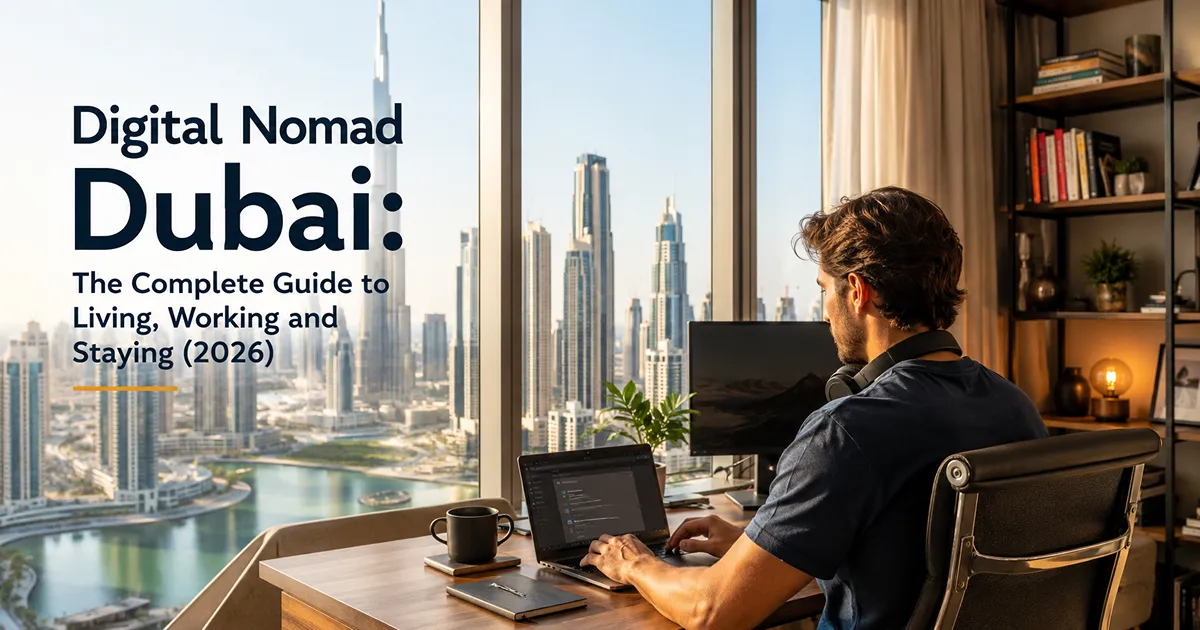
Digital Nomad Dubai
Dubai is attractive for digital nomads because it offers a one-year self-sponsored residence visa, zero personal income tax, and the world’s fastest mobile internet (median 642.86 Mbps as of May 2026).
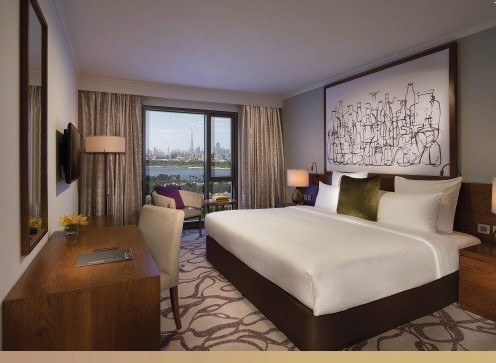
Rent Apartment Dubai Furnished: Your Ultimate Guide to a Comfortable Stay
The article explains that Dubai offers many options for renting furnished apartments, which are ideal for both short-term visitors and long-term residents.

UAE Oasis: Complete Travel Guide (2026)
The article explains the importance and attractions of oases in the UAE: • Historical Significance: UAE oases have supported life for thousands of years, thanks to underground water and ancient falaj irrigation systems.