Evolution of Dubai Skyline: From Desert to Skyscrapers
Dubai has changed from a small fishing village to a famous modern city with tall skyscrapers and unique buildings. This transformation started in the 1970s after oil was discovered, giving Dubai the money to grow quickly.
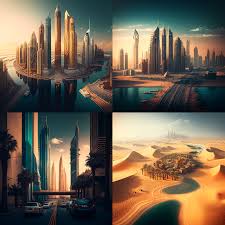
Dubai's transformation from a modest fishing village to a dazzling global metropolis is nothing short of extraordinary. Just a few decades ago, the city's landscape was dominated by sandy deserts and modest dwellings. Today, Dubai boasts one of the most iconic skylines in the world, characterized by its towering skyscrapers, innovative architecture, and luxurious developments.
The story of Dubai's skyline
The story of Dubai's skyline begins in the 1970s with the discovery of oil, which provided the financial impetus for rapid development. To explore this transformation in more detail, follow the Dubai skyline evolution journey through time and discover how the city became a global icon. However, it was the visionary leadership of the UAE that propelled Dubai into the international spotlight. Determined to diversify the economy, the city embarked on ambitious projects to establish itself as a global hub for trade, tourism, and real estate.
One of the most iconic symbols of Dubai’s skyline is the Burj Khalifa. Standing at a staggering 828 meters, it is the tallest building in the world and a testament to human ingenuity and ambition. Explore more about the city’s architectural wonders through these Dubai skyscrapers that define its skyline. The Burj Khalifa is not just a skyscraper; it's a vertical city that includes residential units, office spaces, hotels, and observation decks offering panoramic views of the city.
But the Burj Khalifa is just the tip of the iceberg. The Palm Jumeirah, an artificial archipelago shaped like a palm tree, is another marvel of modern engineering. It features luxury hotels, upscale residences, and entertainment venues, attracting visitors from around the globe. Similarly, the Dubai Marina, with its sleek high-rises and waterfront promenade, has become a vibrant residential and leisure destination.
Dubai's commitment to innovative architecture is evident in projects like the Museum of the Future, an eye-catching building with a unique torus shape, and the Dubai Frame, a gigantic picture frame that offers stunning views of both old and new city. These structures not only enhance the city's skyline but also symbolize Dubai's forward-thinking vision.
Book with estaie
As you plan your visit to this remarkable city, estaie offers the best rates on hotels for both long and short-term stays. Whether you want to stay in the heart of the city with views of the Burj Khalifa or prefer the tranquility of Palm Jumeirah, estaie ensures you find the perfect accommodation to experience skyline up close.
Written By
estaieestaie Editorial Contributor
Sharing extended stay tips, flexible living insights, and local neighborhood recommendations across our destinations.
Planning Your Next Extended Stay?
Explore hand-inspected residences for 30-to-365-day living with one transparent monthly rate, utilities included, and zero lease hassle.
Continue Reading
Related Articles
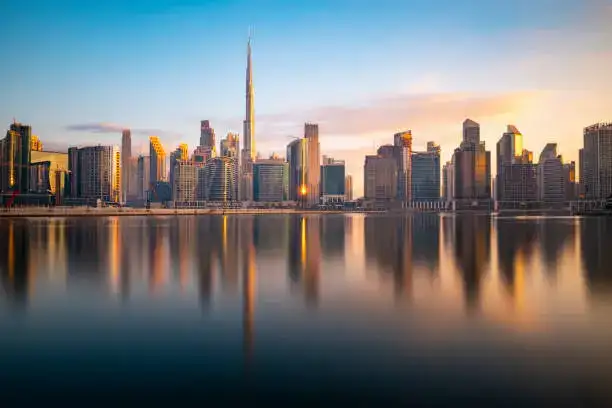
Dubai Skyline Evolution: Discover Journey Through Time
• Introduction: The Iconic Dubai Skyline Dubai’s skyline is world-famous for its tall, futuristic skyscrapers.
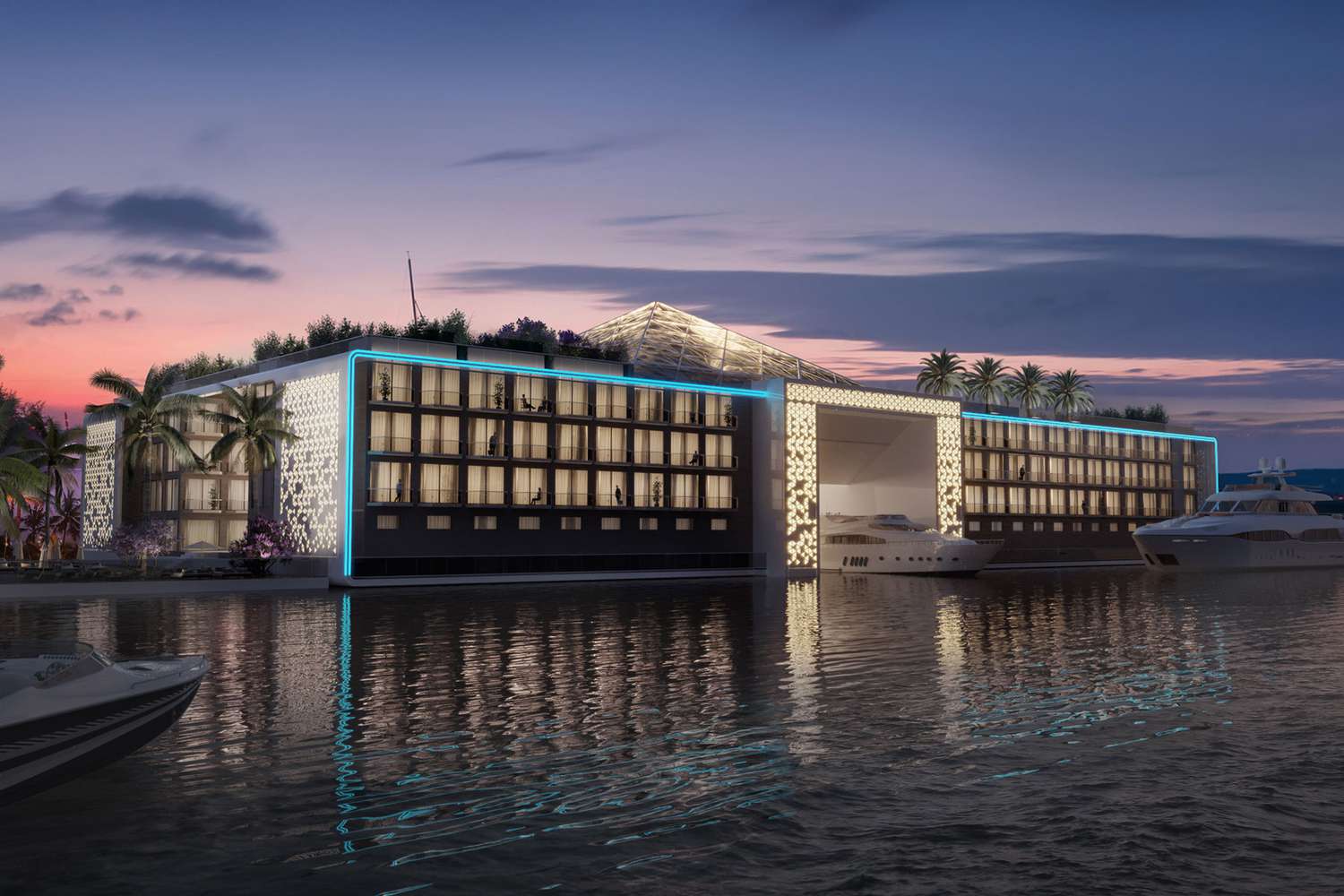
Floating Hotels: From Camps to Unique Stays in UAE
Advantages of Floating Hotels: Floating hotels provide a unique experience by letting guests stay directly on the water, offering scenic views, privacy, and direct access to water activities.
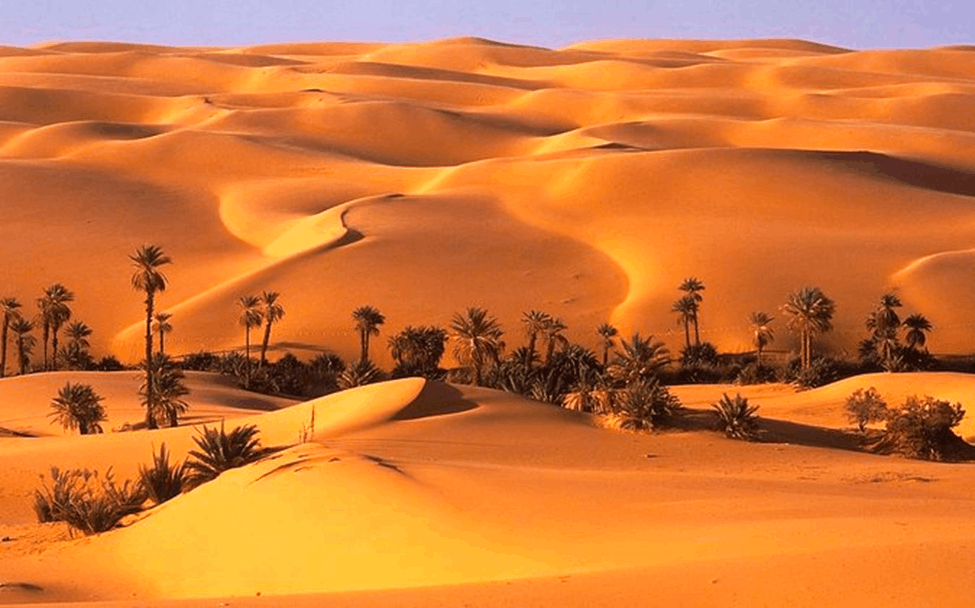
UAE Oasis: Complete Travel Guide (2026)
The article explains the importance and attractions of oases in the UAE: • Historical Significance: UAE oases have supported life for thousands of years, thanks to underground water and ancient falaj irrigation systems.